
You’ve stared at that sad patch of dirt in your backyard long enough. The ground is rocky, the weeds seem immortal, and your back aches just thinking about hunching over a traditional garden plot. Building a raised garden bed might sound intimidating, but here’s the truth: it’s one of the most beginner-friendly weekend projects you can tackle.
Raised garden bed plans don’t require carpentry expertise or a garage full of expensive equipment. What you need is some lumber, basic hardware, and a Saturday afternoon. The payoff? Better drainage, healthier plants, and an easier way to tend your plot.
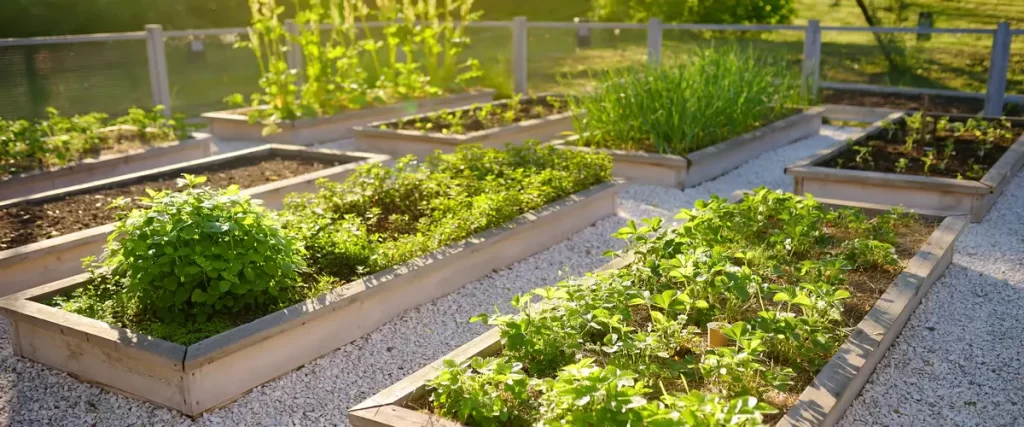
Why Raised Garden Beds Work Better
Traditional gardens force you to deal with whatever soil nature decided to throw at you. Clay that won’t drain? Compacted earth that roots can’t penetrate? They’re frustrating even to the most seasoned garden enthusiasts.
A raised bed garden changes everything. You control soil quality from day one, so your tomato plants and root crops get the nutrients they actually need. No more guessing games.
The structure also keeps weeds at bay and gives you easy access without the back-breaking stooping. Plus, drainage holes built into the design prevent that swampy mess after heavy rain.
Choosing Your Materials Without Breaking the Bank
Walk into any hardware store, and you’ll face a lumber aisle that can feel foreign. Cedar is gorgeous and naturally rot-resistant, but it’ll cost you. Pressure-treated wood is budget-friendly, though some gardeners worry about chemicals leaching into the soil (the newer treatments are safer, according to the EPA’s guidance on treated wood).
Reclaimed wood splits the difference beautifully. It’s both cost-effective and environmentally conscious. Just inspect boards carefully for rot or chemical treatments you can’t identify.
For a basic 4×8-foot raised bed, you’ll need:
- Four boards for the long sides
- Four boards for the short ends
- Corner posts for support
- Galvanized screws (wood glue won’t hold up outdoors)
- Landscape fabric or hardware cloth for the bottom
For the tools, you’ll only need: a tape measure, drill, saw (or ask the hardware store to make boards cut to size), and a level.
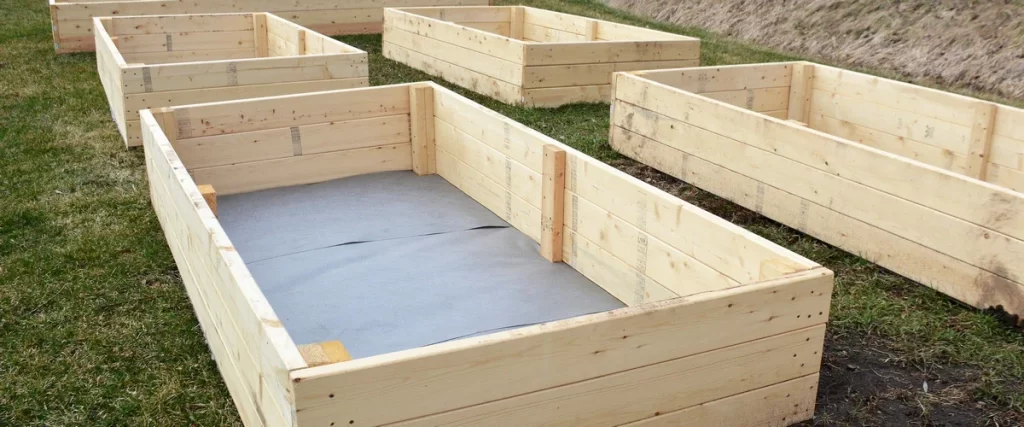
Build a Raised Garden Bed in 6 Simple Steps
Before you start building, it’s important to plan your raised garden bed properly. Consider spacing requirements, but also think about succession planting. When your spring lettuce bolts in the heat, what goes in that space? Planning ahead prevents the middle-of-summer scramble.
Vertical growing on trellises attached to your bed frame maximizes space dramatically. Cucumbers climb happily, leaving ground room for herbs or smaller veggies.
Once your layout is ready, follow these steps to turn a pile of lumber into a functioning garden bed:
- Pick your location carefully. Find a flat surface in your yard that gets at least six hours of sunlight. Vegetables demand sun, herbs tolerate some shade, but tomato plants specifically will sulk without proper light.
- Clear the ground. Remove grass and weeds from your chosen spot. Lay down landscape fabric to prevent underground invaders from sneaking up through your beautiful new garden bed.
- Cut your lumber. If you haven’t already, get your boards to size. For a standard bed, eight-foot boards work perfectly for length, with shorter boards cut to create your desired width. Two feet give you good reach from both sides without stepping into the bed.
- Assemble the frame. Attach the boards to the corner posts using screws, not nails. Screws hold better and won’t pop loose after a season of freeze-thaw cycles. Make sure your structure sits level, checking with your level on all sides. A wonky frame means water pools in one corner instead of draining properly.
- Add the base protection. Hardware cloth stapled to the base keeps out burrowing pests while still allowing drainage holes to function. Skip the solid bottom; it just traps water and creates problems.
- Finish the edges. Add trim around the top edge if you want a finished look, though it’s purely aesthetic. Your vegetables won’t care.
Filling Your Bed With Good Soil
This is where people usually mess up. Don’t just shovel in dirt from your yard. That defeats the entire purpose of building a raised garden.
Mix equal parts compost, peat moss, and garden soil. This combination drains well while retaining enough moisture for plant roots to stay happy. You’ll need more than you think to fill the box adequately, usually about half a cubic yard for a standard 4×8 bed that’s 12 inches tall.
Top dress with compost each fall to maintain soil quality. Good soil is living soil, and it needs regular feeding just like your plants do.
Common Mistakes to Avoid
Don’t let these beginner blunders sabotage your garden before it even gets started:
- Building too small. This ranks as the number one regret among new gardeners. That cute little 2×3 box looks adorable, but three tomato plants later, you’ve realized your mistake. Size your garden bed generously.
- Using the wrong wood. That cheap pine will rot by next season. Invest in cedar or go with reclaimed lumber that’s already proven its durability.
- Forgetting drainage. Even raised beds need water to escape, whether through gaps between bottom slats or holes drilled in a solid base.
Professional landscapers understand these details instinctively. If you’re working on a larger project or want a more complex setup, consulting with a landscape designer can save you hard work and expensive mistakes down the road.
Maintenance Through the Season
Wooden raised beds require minimal upkeep, but they’re not entirely hands-off. Check the corner supports annually and tighten any loose screws. Cedar boards might silver with age, but that’s character, not failure.
You should also refresh your soil each spring by mixing in fresh compost. Top up the bed if it’s settled over winter. Watch for signs your plants need more room or different spacing in your raised bed layout, then adjust accordingly.

Frequently Asked Questions
How deep should a raised garden bed be for vegetables?
Most vegetables do fine in 12 inches of soil depth. Root crops like carrots need at least that much, while tomato plants and bush beans can manage with 10 inches minimum. Deeper is always better if you can swing it.
Can I build a raised bed directly on grass?
Yes, but lay down landscape fabric first. The grass will die off underneath, but without that barrier, weeds will push through.
What’s the best size for a beginner’s raised garden bed?
A 4×8-foot bed hits the sweet spot. Big enough for a decent variety of plants, small enough to build in an afternoon with minimal tools. You can reach the middle from either side without stepping on your good soil.
Should I use pressure-treated wood or cedar?
Cedar lasts longer and looks better, but costs more. Modern pressure-treated wood is safe for vegetable gardens according to current EPA standards, making it a solid budget option. Reclaimed wood offers a middle ground if you can find quality pieces.
How do I keep animals out of my raised bed?
Hardware cloth on the bottom stops burrowing critters. For deer or rabbits, you’ll need fencing or netting around the structure. A simple frame with chicken wire does the job without breaking the bank.
An Easier Path to Your Dream Garden
Building raised garden beds sounds straightforward until you’re standing in the hardware store, second-guessing every lumber choice. Then there’s the measuring, cutting, leveling, filling, and hoping you didn’t mess up something fundamental that won’t become obvious until halfway through the season.
Why spend your weekend wrestling with boards when you could be planning what to plant? Call us at (303) 766-3304 or message us here to discuss your garden project.