
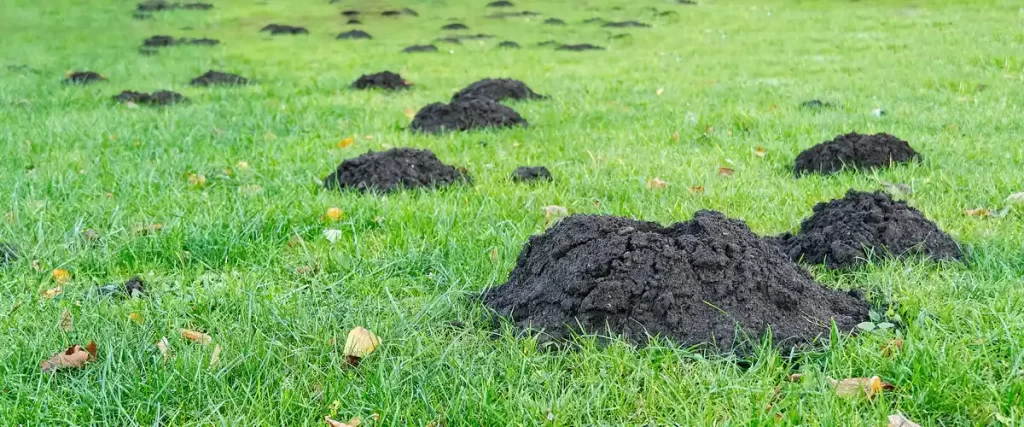
You step outside, ready to admire your lawn, and there they are. Moles have moved in, and they’re redecorating without permission. Your flower beds look like miniature mountain ranges, and those prized hostas you planted last month are tilting at odd angles.
These small mammals might be no bigger than your fist, but they can turn a pristine landscape into a chaotic maze of tunnels faster than you’d think. If you want to prevent moles in garden spaces before they establish their underground empire, you need to understand what attracts them and how to make your property the last place they’d want to settle.
Understanding What Draws Moles to Your Yard
Moles aren’t after your plant roots or bulbs, despite what many homeowners believe. They’re carnivores with an appetite. These creatures feed almost constantly, consuming up to 80% of their body weight daily in earthworms, grubs, and other insects living beneath your soil.
Your well-maintained lawn is basically an all-you-can-eat buffet. Rich soil moisture creates the perfect environment for earthworms and grubs. The more food sources you have underground, the more attractive your property becomes to these digging experts.
Natural Methods to Repel Moles
| Method | How It Works | Best Used When |
| Castor Oil Treatments | Creates unpleasant taste/smell in soil | Applied in early spring or late winter |
| Reducing Soil Moisture | Makes the ground less hospitable to earthworms | During fall preparation |
| Eliminating Grubs | Removes the primary food source | Early morning applications work best |
| Planting Deterrents | Certain plants naturally deter moles | Incorporated into landscape design |
Castor oil remains one of the most talked-about natural mole repellents. It doesn’t kill moles, but it makes their food taste terrible.
All you have to do is mix castor oil with water and dish soap, then spray it across your lawn. The active ingredient coats worms and insects, making them unpalatable without harming your plants or pets.
Some people swear by placing human hair in mole tunnels. The scent supposedly drives moles away. Others stuff chewing gum into the holes, hoping moles will eat it and leave (though there’s limited scientific evidence that this works).
The Soil Moisture Connection
Reducing unnecessary watering can indirectly help control mole populations. When you maintain excessively moist soil, you’re basically rolling out the welcome mat for earthworms. Those worms attract moles like a magnet attracts metal shavings.
Adjust your irrigation schedule. Water deeply but less frequently. Your grass will develop stronger roots, and you’ll create a less appealing environment for the worms that moles feed on.
Effective Mole Control Methods That Actually Work
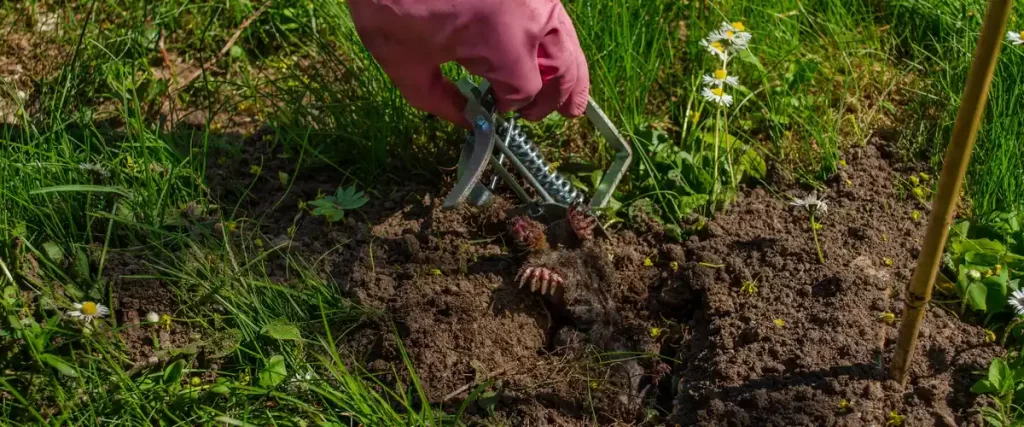
Let’s talk about approaches that deliver real results. Mole traps remain the most reliable solution for active mole problems. You have several types to choose from, each with specific advantages:
- Harpoon traps. Position directly over active surface tunnels (test by stepping on raised ridges and watching which pop back up within a day or two). The mole triggers the plate as it travels, and the trap springs into action.
- Scissor-jaw traps. Require more setup since you’ll dig down to expose the main runway. Set according to manufacturer instructions, cover lightly with soil, and check daily for results.
- Worm-shaped baits. These poisonous products mimic what moles naturally eat, making them attractive. However, they pose serious risks if you have dogs, cats, or other animals that might dig them up.
Before using any poisonous baits in your yard, review the Environmental Protection Agency’s guidelines on safe pesticide use. Your family’s safety and your pets’ well-being should always come first when controlling moles.
Targeting Mole Activity at the Source
If you eliminate what moles eat, they’ll move elsewhere to find dinner. Treating your lawn for grubs in early spring or fall reduces one of their favorite food sources. Products containing beneficial nematodes work naturally to control grub populations without harsh chemicals.
You can’t eliminate all earthworms (and you wouldn’t want to, since they’re beneficial), but you can make your property less appealing overall. Golf courses face constant battles with mole damage, and many have found success with integrated pest management approaches that combine multiple strategies.
Create barriers around specific flower beds you want to protect. Then, bury hardware cloth about 12 inches deep around the perimeter. Moles won’t tunnel through it, though this works best for small areas rather than your entire yard.
What Doesn’t Work (Despite What You’ve Heard)
- Razor blades in tunnels? Dangerous and ineffective.
- Mole plants like the crown imperial? Limited success at best.
- Ultrasonic devices that claim to drive moles away? Save your money.
Here’s the thing about moles: they’ve been perfecting their underground lifestyle for millions of years. They can sense vibrations, navigate in complete darkness, and dig through soil at impressive speeds. A few vibrating stakes won’t convince them to abandon prime real estate.

Frequently Asked Questions
What time of year are moles most active in gardens?
Moles stay active year-round, but you’ll notice the most surface damage during early spring and late winter when they’re creating shallow tunnels to hunt for food near the warming ground surface. Early morning is when you’re most likely to spot fresh mole damage.
Do moles actually eat plant roots and damage gardens directly?
No, moles don’t eat plants. They’re after the earthworms, grubs, and insects living around your plant roots. However, their tunnel digging can disturb root systems, causing plants to wilt or die from lack of water and nutrients.
How can I tell if I have moles or gophers?
Moles create raised ridges and surface tunnels in a relatively straight-line pattern, with few visible holes. Gophers make fan-shaped mounds of soil with a visible entrance hole off to one side. Moles are also smaller than gophers.
Are mole repellents safe to use around children and pets?
Castor oil-based repellents are generally safe for kids and pets once dry. However, any baits or kill traps should be used with extreme caution. Keep pets away from treated areas, and follow all label instructions carefully.
How deep do mole tunnels go?
Surface tunnels sit just inches below the ground, creating those unsightly raised ridges in your lawn. However, moles also create deeper tunnels 12-18 inches down where they nest and live. These deep tunnels are harder to detect and treat.
Leave It to the Professionals
Managing mole problems while maintaining a healthy lawn requires expertise most homeowners simply don’t have time for. You’re balancing preventing moles with keeping your grass green, your plants healthy, and your outdoor space looking its best.
Professional landscape maintenance addresses the underlying conditions that attract moles while implementing targeted control methods. We understand soil composition, drainage patterns, and the seasonal behaviors of these pests. We know which methods work in your specific region and can adjust strategies based on mole activity levels throughout the year.
At Easy Green Landscaping, we’ve handled countless mole situations and know exactly how to restore your yard while preventing future invasions. Ready to reclaim your garden? Call us at (303) 766-3304 or message us here.