
If you’ve been searching for a plant that looks good year-round without demanding constant attention, blue oat grass might be exactly what your Englewood yard needs. This gorgeous plant brings silvery blue foliage to your landscape while asking for almost nothing in return.
Helictotrichon sempervirens, known commonly as blue oat grass, thrives in Colorado’s challenging climate. It handles our intense sun, tolerates dry spells, and keeps its striking blue color through every season. You get a show-stopping addition to your garden without the headaches that come with fussier plants.
Why Blue Oat Grass Works So Well in Englewood
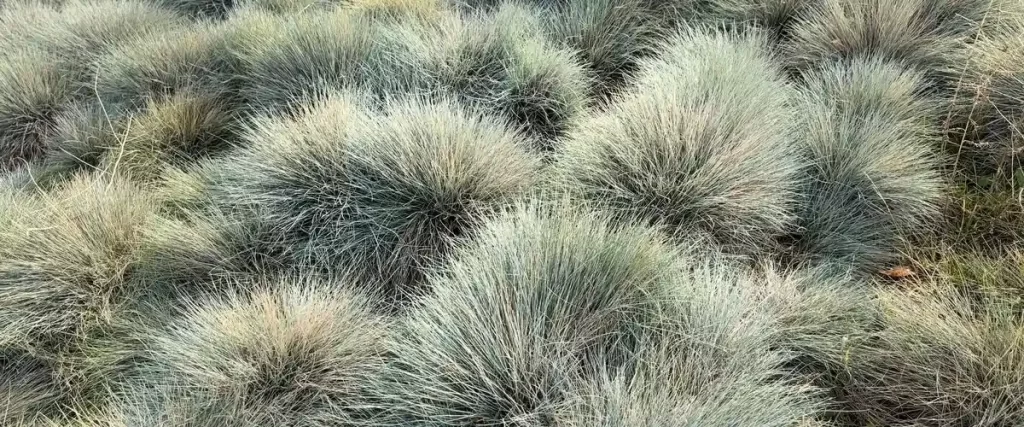
Our Colorado climate can be tough on plants. We get scorching summer heat, freezing winter cold, and unpredictable precipitation patterns. Blue oat grass evolved in the Mediterranean mountains, so it’s already adapted to conditions similar to what we experience here.
The blue foliage creates instant visual interest in any landscape. That silvery blue hue stands out against green plants, contrasts beautifully with warm-toned flowers, and adds texture to otherwise flat areas of your yard. The plant forms neat, rounded clumps that stay attractive without constant trimming or shaping.
Blue oat grass keeps its color through all four seasons. While other ornamental grasses turn brown or tan in fall, this one maintains its signature blue well into winter. That means your landscape looks designed and maintained even when most plants have gone dormant.
Perfect Placement for Maximum Impact
Finding the right spot makes all the difference. Blue oat grass needs full sun to develop its best blue color. Give it at least six hours of direct sunlight daily. It can tolerate light shade, but you’ll sacrifice some of that stunning blue intensity.
The plant works beautifully in several landscape situations:
- Rock gardens: The blue color pops against tan and gray stones
- Walkway borders: The rounded form creates natural edges
- Container displays: Perfect for adding height and texture to pots
- Mixed beds: Provides contrast with flowering perennials
Place blue oat grass where you’ll see it often. Near a patio, along a frequently used path, or visible from a window. The plant looks good enough that you’ll want to enjoy it regularly.
Consider grouping three or five plants together for a bigger impact. A single specimen looks nice, but groups create that “wow” moment that makes your landscape memorable. Space them about two feet apart so they can grow into each other and form a flowing mass of blue.
Soil Requirements That Make or Break Success
Well-drained soil matters more than almost anything else with blue oat grass. The plant hates sitting in water. If your soil stays soggy, crown rot will kill the plant faster than any other problem.
Englewood’s clay soil can hold too much soil moisture, which spells trouble. Amend your planting area with organic matter to improve drainage. Mix in compost, aged manure, or decomposed bark. This helps water move through the soil instead of pooling around the roots.
If you’re dealing with particularly heavy clay or a low spot that collects water, consider building a raised bed. Even six inches of elevation makes a huge difference in drainage. You can also plant blue oat grass in a rock garden where natural drainage is better.
The good news is that blue oat grass adapts to various soil pH levels. You don’t need to fiddle with amendments to adjust acidity or alkalinity. Just make sure water drains well, and the plant will be happy.
Getting Started: Planting and Early Care
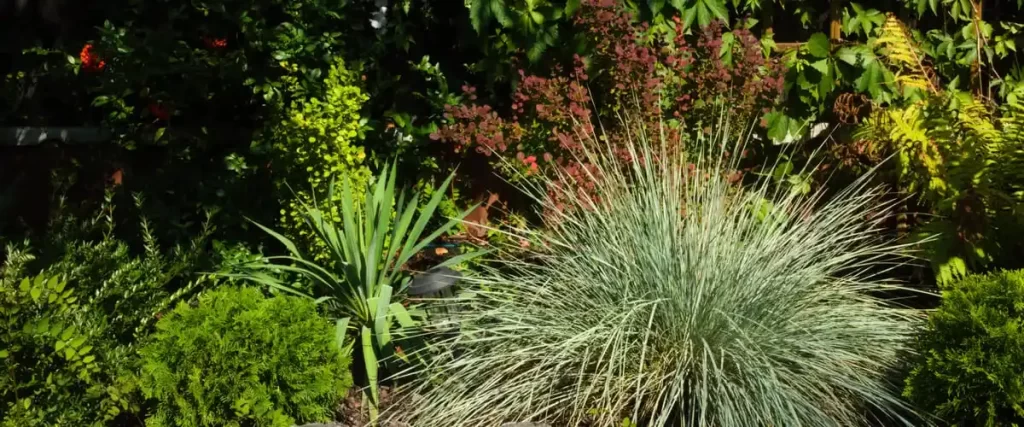
Late winter or early spring is the best time to plant blue oat grass in Englewood. This gives the roots time to establish before summer heat arrives. Fall planting works too, but spring gives you a longer window before temperature extremes hit.
Dig a hole twice as wide as the root ball but no deeper. You want the crown, where the roots meet the foliage, sitting right at ground level. Planting too deep invites crown rot. Too shallow, and the roots dry out.
Backfill with your amended soil and water deeply. That first watering helps settle soil around the roots and eliminates air pockets. Then water regularly for the first month while the plant gets established. After that, you can cut back significantly.
Skip the mulch right around the crown. A two to three-inch ring of bare soil prevents moisture from accumulating against the base of the plant. You can mulch the surrounding area to retain soil moisture and suppress weeds, just keep it away from the grass itself.
Maintenance That Takes Minutes, Not Hours
Once established, blue oat grass practically takes care of itself. Water during extended dry periods in summer, but the plant handles drought better than most ornamental grasses. Deep watering once every two weeks usually suffices.
You’ll want to cut back the foliage once a year. Do this in late winter before new growth appears. Cut the entire clump down to about four inches above the ground. Use sharp pruning shears and remove all the old foliage. This cleanup takes maybe ten minutes per plant.
The plant produces delicate tan flower stalks in early summer. Some people love them, others prefer to cut them off. Either choice works fine. If you leave them, they add another textural element. If you remove them, the blue foliage becomes the star.
Divide blue oat grass every three to five years to keep it vigorous. The center of older clumps sometimes dies out, creating an empty donut shape. Dig up the entire plant in spring, cut away the dead center, and replant the healthy outer sections. You’ll get multiple new plants from one original.
Dealing with Potential Problems
Blue oat grass resists most diseases and pests. That’s part of what makes it so low-maintenance. The main issue you might encounter is crown rot, which occurs when soil moisture sits around the base of the plant.
Good drainage prevents crown rot better than any treatment. If you notice the center of your plant turning brown and mushy, drainage is probably the culprit. Dig up the affected plant, improve the soil drainage, and replant in a better location.
Occasionally, blue fescue gets confused with blue oat grass. They look similar but blue oat grass grows larger and more upright. Blue fescue stays smaller and more compact. Both work in Colorado landscapes, but knowing which you have helps you give it proper care.
Creating Beautiful Combinations

Blue oat grass plays well with many other plants. The blue foliage provides contrast that makes other colors look brighter and more vibrant. Yellow flowers like coreopsis or black-eyed susans look incredible next to blue oat grass. Orange and red flowers create bold, energetic combinations.
Pair it with purple coneflowers for a cool-toned palette. Add some Russian sage for a cottage garden feel. Plant it near sedum for a drought-tolerant combination that looks good from spring through fall.
The texture of blue oat grass works as a counterpoint to broad-leaved plants. Hosta, coral bells, or lamb’s ear all provide that contrast. The fine, needle-like blades of the grass make neighboring plants look fuller and more substantial.
Use blue oat grass to achieve visual rhythm in your landscape. Repeat it at intervals along a bed to create cohesion. This repetition ties different areas together and makes your whole yard look more designed and intentional.
Year-Round Performance
Spring brings fresh blue growth that emerges bright and vibrant. The plant fills out quickly as temperatures warm. By early summer, you get those airy flower stalks rising above the foliage.
Summer heat brings out the deepest blue color. While other plants look stressed, blue oat grass maintains its cool appearance. It provides visual relief from all the hot colors that dominate summer gardens.
Fall sees the plant holding strong. The blue doesn’t fade or turn brown like deciduous ornamental grasses. This means your landscape keeps its structure and interest as other plants die back.
Winter shows off blue oat grass at its most architectural. Snow settles on the rounded clumps, creating beautiful shapes. Even without snow, the blue provides color when almost everything else looks dead.
The Reality of Low-Maintenance Landscaping
Reading about proper drainage, soil amendments, annual trimming, and periodic division might make blue oat grass sound like more work than you want. You need the right soil conditions, correct placement for sun exposure, and regular attention to watering during establishment.
Some people love spending time in their yard, working with plants, and creating those picture-perfect combinations. Others would rather spend their weekends doing literally anything else. There’s no judgment either way.
If you’d prefer to enjoy a beautiful yard without becoming an expert on ornamental grasses and soil conditions, that’s completely reasonable. Professional landscape designers know exactly where to place plants like blue oat grass for maximum impact and minimum maintenance. They understand Englewood’s soil, climate, and growing conditions.
Check out our landscape designer services to see how we can create that stunning yard you want without the learning curve. We’ll handle the plant selection, placement, soil preparation, and initial establishment. You get the gorgeous results without the trial and error. When you’re ready to transform your outdoor space, call us at (303) 766-3304 or message us here. We make it easy.