
Midnight, Bewitched, Mazama, Barvette HGT, and Full Moon are the five Kentucky bluegrass varieties that consistently outperform in independent trials.
The right one depends on your climate, how much foot traffic your lawn gets, and what you actually want it to look like.
| Variety | Best For | Color | Wear Tolerance | Drought Tolerance | Shade Tolerance |
| Midnight | All-around home lawns | Very dark green | Good | Moderate | Moderate |
| Bewitched | High-traffic & athletic use | Dark green | Excellent | Good | Moderate |
| Mazama | Maximum color depth | Darkest green | Good | Moderate | Moderate |
| Barvette HGT | Transition zones & summer heat | Light green | Excellent | Good | Low |
| Full Moon | Drought-prone / blending | Dark green | Moderate | Excellent | Moderate |
What Separates One KBG Variety from the Next
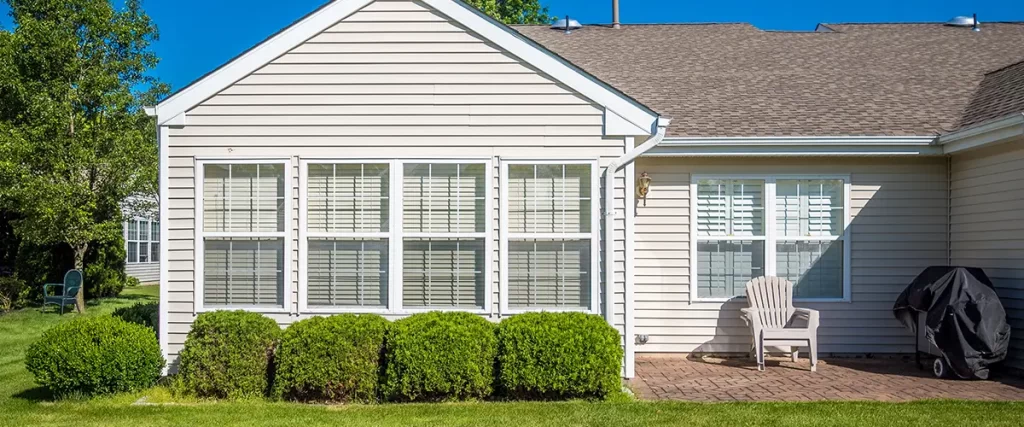
Over 100 cultivars of Kentucky bluegrass are commercially available, and a lot of them look fine in the first season. The ones that hold up long-term have documented trial data behind them.
The National Turfgrass Evaluation Program runs independent, multi-site testing on grass varieties across the U.S., and it’s the most reliable reference when you’re comparing cultivars side by side.
Color and Genetic Density
“Genetic color” is a built-in trait no fertilizer or mowing schedule can alter. Mazama tops this category in NTEP data, producing a blue-green depth that stays consistent through fall. Midnight runs close behind and is easier to find at most retail outlets.
Recovery from Wear and Traffic
Kentucky bluegrass spreads through underground rhizomes, which allows dense-type varieties to fill in damaged or thin spots on their own. That trait is what separates performers like Bewitched from varieties better suited to low-traffic, show-lawn environments.
The 5 Best Kentucky Bluegrass Varieties
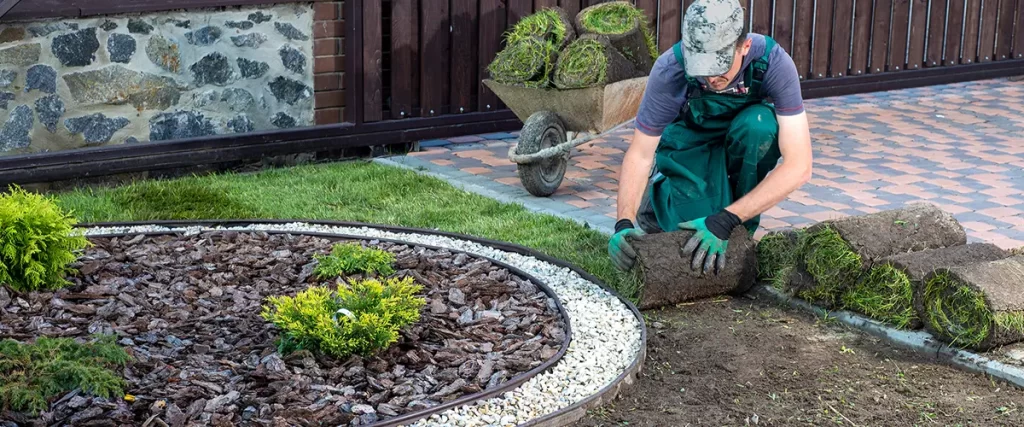
While many Kentucky bluegrass varieties are available, the following consistently outperform others in independent trials.
1. Midnight
Midnight is the most widely trusted elite KBG variety for home lawns and golf course roughs.
It produces dense, very dark green turf with a fine texture and strong cold tolerance, which means it stays green later into fall and comes back early in spring.
It handles partial shade reasonably well for a bluegrass, though like most KBG it still prefers a solid six or more hours of sun daily.
For a new lawn or full renovation, it’s a proven, low-risk foundation.
2. Bewitched
Bewitched ranked #2 overall in NTEP turfgrass quality and #1 in wear tolerance and Typhula Blight resistance across multiple independent trial sites.
Its rhizomatous growth habit helps it recover quickly from heavy use, which is why it shows up on athletic fields and high-traffic home lawns alike.
It holds dark color well into the late season and blends naturally with fine fescue for yards with shaded areas near trees.
3. Mazama
Mazama topped NTEP’s genetic color ratings in the 2016 trials and produces dense, medium fine-leaved turf with a blue-green richness that genuinely stands out in northern climates.
Cold tolerance and late-fall color retention are both strong suits.
It’s more of a show-lawn variety than a wear variety, so if your yard sees heavy use, pairing it with Bewitched in a blend makes more sense than relying on it alone.
4. Barvette HGT
Barvette HGT leads NTEP’s transition zone performance rankings and scores highest for summer patch resistance, one of the more damaging fungal diseases Kentucky bluegrass faces when temperatures stay elevated.
It holds up well under traffic stress, too.
The trade-off is color: Barvette HGT ranks near the bottom for genetic color among KBG varieties. So if a deep blue-green look is the goal, this isn’t the pick.
5. Full Moon (Moon Kentucky Bluegrass)
Full Moon carries TWCA certification, meaning its lower water demand was independently verified. It has a rich dark green color, medium-fine leaf texture, and it blends cleanly with other KBG varieties.
It also has good heat tolerance, which pairs well with its drought credentials.
Worth considering for spring planting, limited irrigation setups, or any mix that needs drought resilience built in from the start.
Getting the Timing and Setup Right

Soil temperature is the biggest variable in KBG germination.
Seeds need 50 to 65 degrees Fahrenheit, which typically aligns with early fall. Spring planting works, but weed competition is higher, and summer can arrive before the young turf fully establishes.
Use a starter fertilizer at seeding to supply the nutrients seedlings need from day one. Keep the surface moist through germination, and wait at least three weeks after visible growth before mowing for the first time.
If you’re overseeding existing turf, mowing shorter than usual beforehand improves seed-to-soil contact considerably.
Our grass seed calculator does the math on exactly how many pounds you’ll need.
And if you’re still deciding between KBG and tall fescue, our breakdown of Kentucky bluegrass vs. turf-type tall fescue covers the key differences for Front Range yards.
Frequently Asked Questions
How long does Kentucky bluegrass take to germinate?
Typically 14-30 days when the soil sits between 50 and 65 degrees. KBG is one of the slower cool-season grasses to germinate, so early fall is the better window.
Can I mix Kentucky bluegrass with other seed types?
Yes, and it often helps. Fine fescue handles shade well and germinates faster, giving new KBG seedlings some early cover.
How much seed per 1,000 square feet?
For a new lawn: 2-3 lbs per 1,000 sq ft. For overseeding existing turf or filling in thin spots: around 1.5-2 lbs. Always buy a little extra since spreaders rarely distribute perfectly.
Does Kentucky bluegrass do well in Colorado?
It does, with consistent irrigation. According to Virginia Tech’s turfgrass extension resources, KBG thrives in cool-season zones with strong cold tolerance. Colorado’s Front Range fits that profile well, but dry summers mean irrigation isn’t optional if you want to keep it green through July and August.
You Could Just Skip Straight to a Great Lawn
Getting the seed right is the easy part. Fertilization timing, seasonal overseeding, proper aeration, and mowing height throughout the seasons are where the workload quietly adds up. Many homeowners find themselves spending more weekends on the lawn than they planned.
Our landscape maintenance services handle everything for you, from fertilization and overseeding to year-round care across Centennial, Parker, Lone Tree, and the surrounding Colorado communities.
Call us at (303) 766-3304 or message us here.