
Picking the right gravel for your walkway can completely transform how your yard looks and functions. But there are so many options out there, and it can get overwhelming fast.
This article covers the 7 best gravel types for walkways, breaks down what makes each one work (or not), and helps you figure out what actually fits your yard, your budget, and how much foot traffic you’re dealing with.
Quick Comparison Table
| Gravel Type | Drainage | Stability | Comfort | Best Use |
| Pea Gravel | Excellent | Low | Moderate | Decorative paths |
| Decomposed Granite | Good–Excellent* | High | Moderate | High traffic walkways |
| Crushed Stone | Good | High | Low–Moderate | Main walkways |
| River Rock | Good | Low | Moderate | Garden accents |
| Marble Chips | Excellent | Moderate | Low–Moderate | Formal paths |
| Crushed Brick | Excellent | Moderate–High | Moderate | Cottage gardens |
| Crushed Limestone | Good | High | Moderate | High-traffic walkways |
*Loose DG drains freely. Stabilized and resin-coated DG have reduced permeability.
Now, let’s explore each option in-depth.
1. Pea Gravel
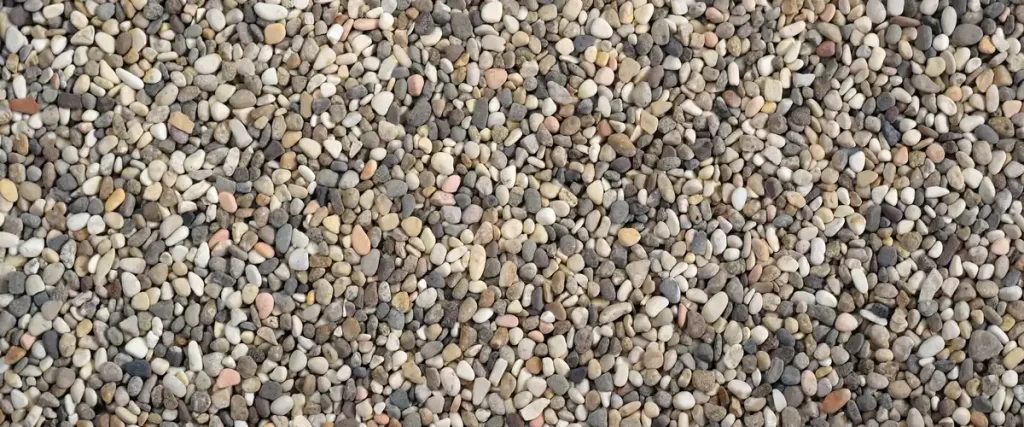
Pea gravel is one of the most popular choices for residential walkways, and it’s not hard to see why. Those small, smooth, rounded pebbles come in a mix of natural tones, typically gray, tan, brown, and white, and they blend well with almost any landscape style.
It’s affordable, easy to install, and provides excellent drainage. It’s softer on shoes than angular crushed stone, though it’s not particularly comfortable barefoot, so it’s not the best pick for paths leading to pools or play areas.
The bigger downside is that it shifts around easily, especially in high-traffic areas. Edging and landscape fabric underneath are both important for keeping it in place.
Best for: Decorative areas, garden paths, light foot traffic zones
2. Decomposed Granite
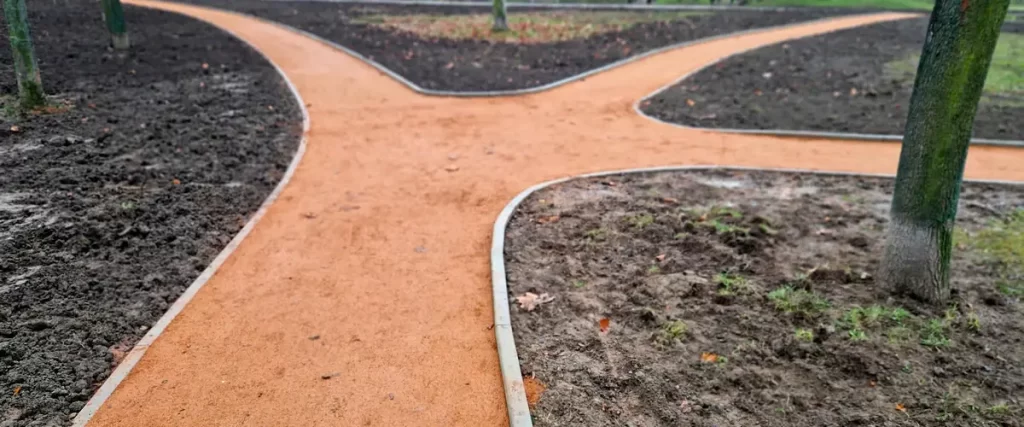
If you want a more stable surface that still looks natural, decomposed granite is worth serious consideration.
When stabilized, it compacts well and holds up under regular foot traffic. Over time, it forms a firm, walkable surface that stays put better than loose gravel options.
It comes in a wide range of earthy tones, including gold, tan, rust, gray, brown, red, and green, making it versatile enough to complement many landscape styles beyond just Southwestern designs.
One thing to keep in mind: if drainage is your top priority, loose DG actually performs well. If you want both drainage and stability, stabilized DG with proper edging is your best bet.
Best for: High traffic walkways, driveways, natural aesthetic gardens
3. Crushed Stone

Crushed stone is a workhorse. This is one of the best options if durability is your main concern.
It’s angular, which means the sharp edges lock together when compacted, creating a firm and stable surface that holds up well over time.
It comes in a range of sizes, and finer crushed stone works especially well for walkways.
It also provides good drainage. The texture isn’t smooth underfoot, so it’s not the top pick for barefoot paths or relaxed garden areas.
Best for: Main walkways, high traffic paths, driveways, anywhere durability matters most
4. River Rock
River rock brings a natural, almost zen-like feel to outdoor spaces.
These smooth, rounded stones come in varied colors and sizes, making them a great option for decorative borders and accent pathways.
They don’t compact the way crushed stone does, so they’re not ideal for main walkways with heavy foot traffic.
But for a path through a garden or along a water feature? They look incredible and create real visual interest.
Best for: Decorative paths, garden accents, areas with light foot traffic
5. Marble Chips
Marble chips are the choice when you want your walkway to stand out.
They come in a range of colors, including white, gray, pink, and black, though the lighter varieties are especially popular for the clean, polished look they give a yard.
White and light-colored chips reflect sunlight, which helps keep the surface cooler in warm climates. They’re popular in formal gardens and near entrances.
They drain well and require minimal upkeep. That said, they tend to be pricier than other gravel types, and their angular edges make them less comfortable underfoot than smooth options like pea gravel or river rock.
Best for: Formal garden paths, front entrances, decorative walkways where aesthetics are the priority
6. Crushed Brick
Crushed brick isn’t often discussed, but it’s a solid option, especially for yards with a traditional or cottage-style feel.
It gives gravel pathways a warm, reddish hue and compacts well, making it a surprisingly stable surface for foot traffic.
It’s also a more sustainable option since it’s made from recycled brick material.
Drainage is genuinely good, comparable to other crushed materials, and it tends to stay in place better than smooth or rounded gravel types.
Best for: Cottage, traditional, or rustic-style yards, secondary garden paths, eco-conscious projects using recycled materials
7. Crushed Limestone
Crushed limestone is one of the more underrated walkway materials. It’s angular like crushed stone, so it locks together when compacted, creating a firm, stable surface.
What sets it apart is its light gray to off-white color, which gives paths a cleaner, brighter look than most other gravel options.
It compacts tightly, handles foot traffic well, and provides good drainage. It’s also typically one of the more affordable options available.
One thing to watch: in very wet climates, limestone can slowly break down over time and may need occasional replenishment. It can also become slightly slippery when wet if not properly compacted.
Best for: High traffic walkways, front yard paths, yards where a lighter, cleaner aesthetic is the goal
What Size Gravel Works Best for Walkways?
Size matters more than people think, and the right answer depends on the material you’re using.
Pea gravel typically runs 1/8 to 3/8 inch, and staying toward the smaller end gives you a more walkable surface. Meanwhile, crushed stone and decomposed granite used for walkways generally fall within the 1/4- to 3/4-inch range.
For most residential applications, finer material within that window compacts better, creating a more stable, comfortable surface. Larger stones shift more and can be awkward underfoot.
Tips for Installing Gravel Walkways
Getting the installation right makes a big difference in how long your path lasts and how much maintenance it needs down the road.
- Lay landscape fabric first. This keeps weed growth from pushing through and separates the gravel from the dirt below.
- Add edging. Without it, gravel spreads into unwanted areas over time, especially with pea gravel or river rock.
- Depth matters. Aim for at least 2–3 inches of gravel. Too thin and it won’t hold up to foot traffic or erosion.
- Compact where needed. For crushed stone or decomposed granite, a plate compactor helps lock everything in and creates a more stable surface.
If you’re near flagstone, concrete, or other hardscape features, choosing gravel with a complementary color and texture will visually pull everything together.
The University of California Agriculture and Natural Resources has solid resources on ground cover selection and landscape maintenance that can help homeowners make informed choices based on their climate and soil conditions.
How to Choose the Right Gravel for Your Walkway
The best gravel for your walkway depends on a few key factors:
- Foot traffic: Heavy foot traffic requires stable, compacting gravel, such as decomposed granite or crushed stone. Light garden paths can get away with pea gravel or river rock.
- Drainage needs: If standing water is a concern, pea gravel, loose decomposed granite, or marble chips all handle water well.
- Aesthetic: Match your gravel to your landscape style. River rock suits natural or modern landscapes. Marble chips and decomposed granite work well with formal or more refined designs.
- Maintenance level: If you want something close to no upkeep, stabilized decomposed granite or crushed stone are your lowest maintenance picks.
If you’re working with a landscape designer to plan the full yard, it’s worth having that conversation early. The gravel you choose for a walkway should complement the plants, edging, and other hardscape materials around it.
Best Gravel For Walkways FAQ
What is the most low-maintenance gravel for walkways? Stabilized decomposed granite and crushed stone are the top picks for minimal upkeep. Both compact well, resist erosion, and don’t scatter as easily as smoother options.
Is pea gravel good for high-traffic walkways? It works for light to moderate traffic, but it shifts underfoot and tends to scatter in high traffic areas. Pairing it with solid edging helps, but for busy paths, crushed stone or decomposed granite holds up better.
How deep should gravel be for a walkway? A depth of 2–3 inches is the general recommendation for most residential walkways. Going thinner means the gravel will shift and wear out quickly with regular use.
What gravel drains the best? Pea gravel, marble chips, and loose decomposed granite all provide excellent drainage.
Does gravel prevent weeds? Gravel alone won’t stop weed growth. Laying landscape fabric underneath significantly reduces weeds pushing through over time.
Can I use gravel next to a flagstone path? Yes, and it looks great. Smaller, finer gravel fills in naturally around flagstone, softening the look. Just make sure the color tones complement each other.
What’s the best gravel for a shaded walkway? River rock and pea gravel both work well in shaded areas. Decomposed granite can become compacted and slightly muddy in consistently damp, shaded spots, particularly if it’s the loose variety without a stabilizer.
Is crushed limestone good for walkways? Absolutely. It compacts well, stays stable under foot traffic, drains adequately, and the light color works with a wide range of landscape styles. Just note that in consistently wet climates, it can break down faster than granite-based options, so occasional top-ups may be needed.
Let Someone Else Handle It
Sorting through all the gravel types, figuring out drainage needs, calculating how much material you need, installing landscape fabric, adding edging, and getting the depth right is genuinely a lot of work. But when it’s done right, it makes a real difference.
If you’d rather skip the hassle and just end up with a walkway that looks great and holds up, the team at Easy Green Landscaping is here for it. Call us at (303) 766-3304 or message us here.